What is ADAS (Advanced Driver Assistance Systems)?
Advanced Driver Assistance Systems — commonly known as ADAS — are the suite of electronic safety features built into nearly every vehicle manufactured after 2018. These include forward collision warning, automatic emergency braking, lane departure warning, blind spot monitoring, adaptive cruise control, and parking assist systems.
Each of these features relies on a network of cameras, radar modules, ultrasonic sensors, and lidar units mounted at precise locations around the vehicle. When those sensors are disturbed — even by a fraction of a degree — the entire system can malfunction. That's where ADAS calibration comes in.
Why Does ADAS Need Calibration?
ADAS sensors are calibrated at the factory to exact specifications. The forward-facing camera behind the windshield, for example, must be aimed with sub-degree accuracy. A misalignment of just one degree at the camera translates to several feet of error at 100 yards. That's the difference between the car braking for an obstacle and driving straight into it.
Calibration is the process of realigning these sensors to the manufacturer's original specifications using specialized targets, fixtures, and diagnostic software. It's not optional — it's a safety requirement.
When is ADAS Calibration Required?
ADAS calibration is triggered by a surprisingly long list of common repairs:
- Windshield replacement: The most common trigger. The forward-facing camera is mounted directly to the windshield. Even a millimeter of difference in glass thickness or mounting position requires recalibration.
- Collision repair: Any impact that shifts the vehicle's structure can move sensor mounting points. Front, rear, and side impacts all require calibration checks.
- Wheel alignment: The vehicle's thrust angle affects how ADAS sensors interpret lane position. Many OEMs now require ADAS recalibration after alignment.
- Suspension work: Replacing struts, springs, or control arms can change ride height, which affects sensor angles.
- Bumper cover removal: Radar and ultrasonic sensors mounted in bumpers must be recalibrated after removal and reinstallation.
- ECU replacement or reprogramming: Swapping or flashing control modules resets stored calibration values.
If your shop performs any of these services, you're already encountering vehicles that need ADAS calibration — whether you realize it or not.
Static vs Dynamic Calibration: What's the Difference?
There are two methods for calibrating ADAS sensors, and most vehicles require one or both.
Static Calibration
Static calibration is performed indoors with the vehicle stationary. A calibration frame is positioned in front of or around the vehicle at precise distances and heights, holding specific targets (patterns, reflectors, or boards) that the sensors read. The diagnostic tool then guides the sensor through a calibration routine.
Static calibration requires:
- A flat, level surface
- Specific lighting conditions (no direct sunlight or reflections)
- Adequate space — typically 10-25 feet in front of the vehicle
- A calibration frame and OEM-spec targets
- A diagnostic tool with ADAS calibration software
Dynamic Calibration
Dynamic calibration requires driving the vehicle at specific speeds on well-marked roads. The system uses lane markings, road features, and GPS data to recalibrate sensors during the drive. Some vehicles require a dynamic calibration after the static procedure is completed.
Dynamic calibration is simpler in terms of equipment but harder to control — you need clear lane markings, dry roads, and specific speed ranges maintained for a set distance.
Which Vehicles Need Which?
It depends entirely on the manufacturer. Toyota typically requires static calibration. Honda often requires both static and dynamic. Some GM vehicles only need dynamic. A proper ADAS diagnostic tool will tell you exactly what each vehicle requires.
What Equipment Do You Need for ADAS Calibration?
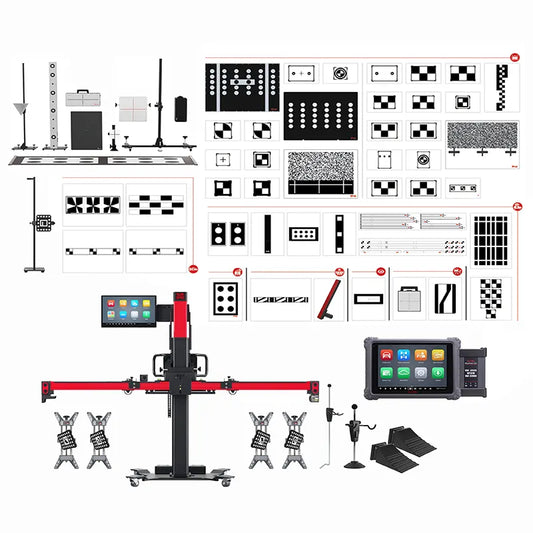
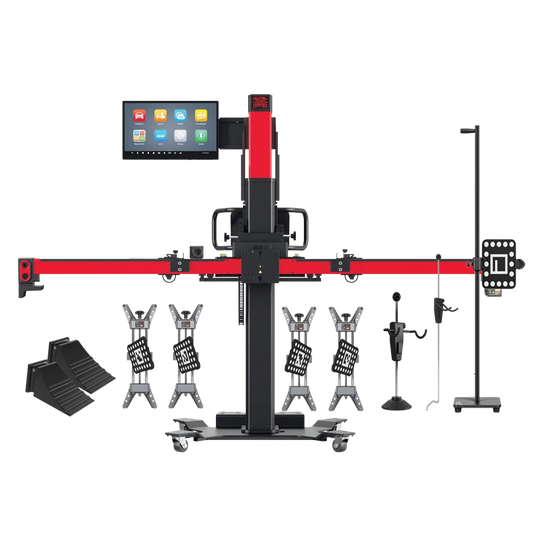
Setting up an ADAS calibration bay requires three things: a diagnostic tablet with ADAS software, a calibration frame, and the correct targets.
The Autel ADAS calibration systems are the most widely adopted in independent shops for good reason. The two main options:
- Autel IA900: The full-size calibration frame system. Supports virtually all makes and models that require static calibration. Includes LDW (Lane Departure Warning) targets, ACC (Adaptive Cruise Control) reflectors, and night vision targets. This is the system for shops doing high-volume ADAS work.
- Autel MA600: A more compact frame system designed for shops with limited space. Covers most common ADAS calibrations but in a smaller footprint.
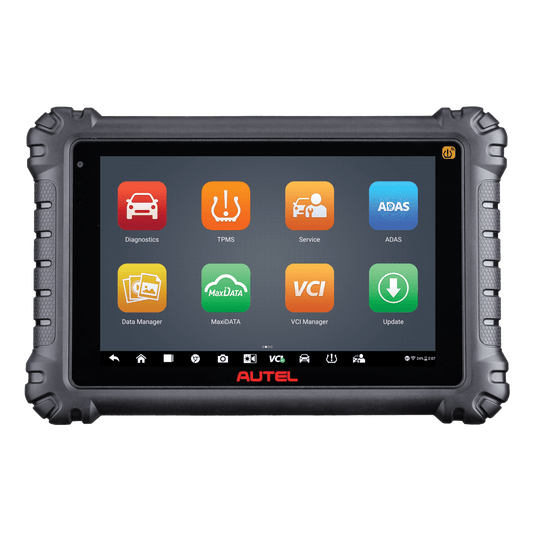
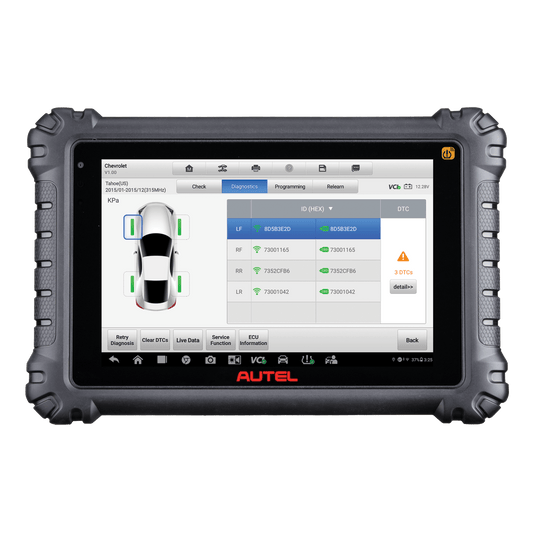
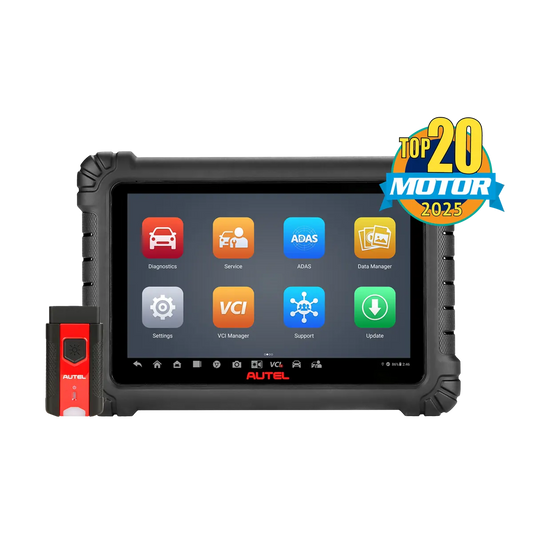
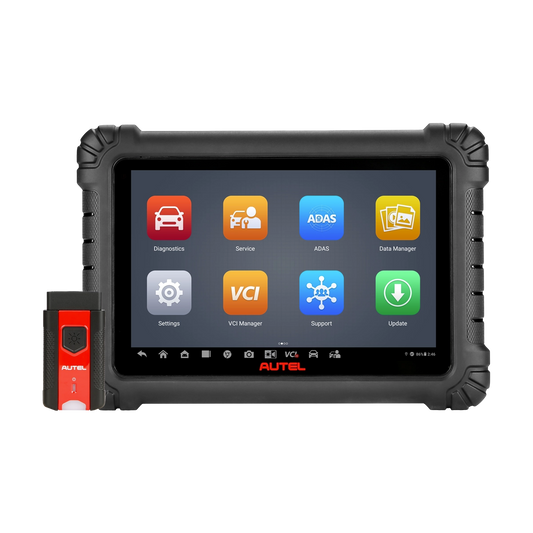
Both systems pair with Autel's MaxiSys diagnostic tablets (Ultra II, MS909, MS906 Pro) which provide the guided calibration procedures.
Autel vs Hunter vs Bosch ADAS Systems
| Feature | Autel IA900 | Hunter ADASLink | Bosch DAS 3000 |
|---|---|---|---|
| Vehicle Coverage | 40+ makes | 30+ makes | 25+ makes (discontinued updates) |
| Approx. System Cost | $8,000-$12,000 | $18,000-$25,000 | $15,000-$20,000 |
| Annual Update Cost | ~$1,500-$2,500 | Included (with Hunter alignment) | N/A (discontinued) |
| Space Required | Standard bay | Dedicated bay | Dedicated bay |
| Portability | Yes — can be moved | Semi-permanent install | Semi-permanent install |
| Setup Time | 10-15 minutes | 5-10 minutes | 10-15 minutes |
For independent shops, the Autel system hits the sweet spot of coverage, cost, and flexibility. Hunter is excellent but priced for high-volume collision centers. Bosch has largely exited the ADAS calibration market for independent shops.
How Much Does ADAS Calibration Cost? (The Revenue Opportunity)
ADAS calibration is one of the most profitable services an independent shop can add. Here's the math:
- Average charge per calibration: $250-$450 depending on the system and region
- Time per calibration: 30-60 minutes once you're experienced
- Equipment investment: $8,000-$15,000 for a complete Autel system
- Breakeven: 25-40 calibrations (most shops hit this within 2-3 months)
Many shops are charging $300-$400 per camera calibration and completing 3-5 per day. At that volume, ADAS calibration generates $900-$2,000 in daily revenue with minimal parts cost. The margins are exceptional because the "parts" are targets you already own — the service is almost entirely labor and expertise.
Glass shops and collision centers are the biggest referral sources. Build relationships with local windshield replacement companies and body shops that don't have their own ADAS equipment. Many will sublet the calibration work to you at full retail pricing.
Can You Do ADAS Calibration Yourself? (DIY vs Professional)
ADAS calibration is not a DIY job for vehicle owners. It requires professional-grade equipment, training, and an understanding of OEM procedures. There's no shortcut — a miscalibrated ADAS system is a genuine safety hazard.
For professional technicians, though, adding ADAS calibration to your shop is straightforward. Autel's guided procedures walk you through each calibration step by step, including frame positioning, target placement, and the calibration routine itself. Most technicians are comfortable performing calibrations independently after 5-10 procedures.
Training resources are available through Autel directly, through your equipment reseller, and through organizations like I-CAR which offer ADAS-specific certification courses.
Common ADAS Calibration Mistakes to Avoid
Even experienced technicians make these errors when starting out:
- Skipping the level check: The vehicle and the calibration frame must be on a perfectly level surface. A slope of even half a degree will throw off the calibration. Use a precision level — don't trust your eyes.
- Ignoring tire pressure: Incorrect tire pressure changes ride height, which changes sensor angles. Always verify and correct tire pressures before calibrating.
- Wrong distance or height: Each vehicle has specific requirements for target distance and height. The diagnostic tool specifies these — follow them exactly.
- Ambient lighting issues: Direct sunlight, fluorescent flicker, and reflections from shiny surfaces can all interfere with camera calibration. Control your environment.
- Not performing a test drive: Always verify the calibration with a road test. Confirm that lane departure, forward collision, and other systems are functioning correctly.
- Skipping the alignment check: Wheel alignment directly affects ADAS calibration. Always verify alignment before starting the ADAS procedure.
Frequently Asked Questions
How long does ADAS calibration take?
A single-camera static calibration typically takes 30-45 minutes. Vehicles requiring multiple sensor calibrations (forward camera, radar, blind spot monitors) may take 60-90 minutes. Dynamic calibration adds 15-30 minutes of drive time.
Do all vehicles need ADAS calibration after windshield replacement?
Any vehicle with a forward-facing camera mounted to the windshield requires calibration after glass replacement. This includes most vehicles manufactured after 2016-2018 depending on the make and trim level.
How much should I charge for ADAS calibration?
Most independent shops charge $250-$450 per calibration. Pricing varies by region, vehicle complexity, and whether you're doing single-system or multi-system calibrations. Research your local market — dealers typically charge $400-$600+.
Can I do ADAS calibration without a frame?
Dynamic-only calibrations don't require a frame, but most vehicles need static calibration, which does require a frame and targets. Some technicians use wall-mounted targets for specific vehicles, but a proper frame system provides the accuracy and vehicle coverage needed for professional work.
What's the ROI on ADAS calibration equipment?
Most shops recover their equipment investment within 2-4 months. At an average of $350 per calibration and 3-5 calibrations per week, a $10,000 equipment investment pays for itself in roughly 8-12 weeks.
Do I need special training for ADAS calibration?
While formal certification isn't legally required in most states, training is strongly recommended. Autel provides training resources with their systems, and I-CAR offers ADAS-specific courses. Liability alone makes proper training essential.
Which Autel tablet do I need for ADAS calibration?
ADAS calibration software is available on the MaxiSys Ultra II, MS909, and MS906 Pro tablets. The Ultra II and MS909 offer the most comprehensive ADAS coverage. Any of these tablets paired with the IA900 or MA600 frame creates a complete ADAS calibration system. Browse our ADAS calibration equipment to find the right setup for your shop.