What Is ADAS?
Advanced Driver Assistance Systems (ADAS) are the electronic safety and convenience features that have become standard equipment on modern vehicles. These systems use a network of cameras, radar sensors, ultrasonic sensors, and LIDAR to monitor the vehicle's surroundings and assist (or intervene) in driving tasks.
Common ADAS Features
- Forward Collision Warning (FCW): Alerts the driver when a collision with the vehicle ahead is imminent
- Automatic Emergency Braking (AEB): Applies the brakes automatically if the driver does not respond to a collision warning
- Lane Departure Warning (LDW): Alerts the driver when the vehicle begins to drift out of its lane
- Lane Keep Assist (LKA): Actively steers the vehicle back into its lane
- Adaptive Cruise Control (ACC): Maintains a set following distance from the vehicle ahead, automatically adjusting speed
- Blind Spot Monitoring (BSM): Detects vehicles in the driver's blind spots and provides visual or audible warnings
- Rear Cross-Traffic Alert (RCTA): Warns of approaching vehicles when backing out of a parking space
- Parking Assist / Surround View: Uses cameras and ultrasonic sensors to assist with parking maneuvers
- Night Vision: Uses infrared cameras to detect pedestrians and animals beyond headlight range
- Traffic Sign Recognition: Reads speed limit and other road signs and displays them to the driver
- Driver Monitoring: Tracks driver attention and alerts if drowsiness or distraction is detected
As of 2026, virtually every new vehicle sold in the US includes at least AEB and LDW as standard equipment. Premium vehicles may have 10 or more ADAS features. The IIHS estimates that AEB alone reduces rear-end crashes by 50%, making these systems genuinely life-saving technology.
Why ADAS Calibration Matters
Every ADAS sensor has a precisely defined field of view, detection range, and aiming angle. A forward-facing camera mounted to the windshield, for example, must be aimed to within fractions of a degree to accurately detect lane markings, vehicles, and pedestrians. A radar sensor in the bumper must be aligned precisely to measure following distances correctly.
When any event shifts these sensors — even slightly — the system's accuracy degrades. A camera that is off by just one degree can misread lane positions by several feet at highway distances. A radar sensor that is misaligned can calculate incorrect following distances, causing adaptive cruise control to brake too late or too early.
Improperly calibrated ADAS is worse than no ADAS at all, because the driver trusts systems that are providing incorrect information.
When Is ADAS Calibration Required?
Windshield Replacement
This is the single largest driver of ADAS calibration demand. The forward-facing camera on most vehicles is mounted directly to the windshield. When the windshield is replaced, the camera must be recalibrated. Industry estimates suggest that 70-80% of all ADAS calibrations are triggered by windshield replacement. With approximately 15 million windshields replaced annually in the US, this alone represents a massive service opportunity.
Collision Repair
Any collision, even a minor fender bender, can shift ADAS sensors. Front-end impacts can misalign forward radar and cameras. Side impacts can shift blind spot sensors. Rear impacts can affect rear cameras and parking sensors. OEM repair procedures increasingly require ADAS calibration as part of collision repair.
Wheel Alignment
Changes in vehicle ride height, camber, caster, or toe angle can affect ADAS sensor aiming. Many OEMs now require ADAS calibration after alignment, particularly if ride height has changed. Some advanced alignment systems are beginning to integrate ADAS calibration checks.
Suspension Work
Spring replacement, strut replacement, lift kit installation, or any suspension modification that changes ride height or vehicle attitude requires ADAS recalibration. The sensors were calibrated at the factory for a specific vehicle geometry that has now changed.
Bumper Replacement
Front and rear radar sensors, ultrasonic parking sensors, and rear cameras are typically mounted in or on the bumper. Any bumper replacement or repair requires verification and potential recalibration of these sensors.
Sensor or Camera Replacement
Obviously, if an ADAS sensor, camera, or radar module is replaced, it must be calibrated. New sensors ship uncalibrated and must be aimed to the specific vehicle.
Types of ADAS Calibration
Static Calibration
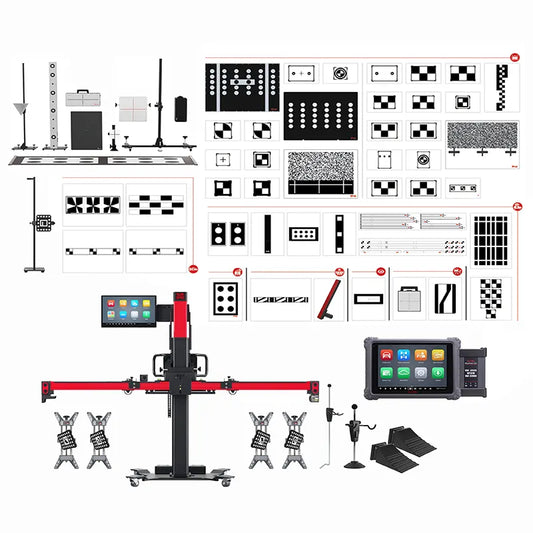
Static calibration is performed in the shop with the vehicle stationary. A calibration frame is positioned at a specified distance from the vehicle (typically 10-16 feet) and equipped with targets (patterns printed on boards or panels) that the vehicle's cameras and sensors use as reference points.
The diagnostic tool initiates the calibration routine, instructs the technician to position targets, and the vehicle's computer uses those targets to verify and adjust sensor alignment. Static calibration is precise, repeatable, and does not depend on road conditions or weather.
- Level floor surface (within OEM specifications, typically +/- 1 degree)
- Adequate space (minimum 30 feet depth, 15 feet width)
- Proper lighting (well-lit but avoiding direct sunlight on targets)
- Calibration frame with manufacturer-specific targets
- Compatible diagnostic tool (e.g., Autel Ultra S2)
- Vehicle on level ground with correct tire pressure
Dynamic Calibration
Dynamic calibration is performed while driving the vehicle. The diagnostic tool initiates the calibration routine, and the technician drives the vehicle on a straight, level road at a specified speed (typically 40-60 mph) for a specified distance or time. The system uses lane markings, road features, and GPS data to self-calibrate.
Dynamic calibration is required for some systems (particularly lane-keeping and adaptive cruise) and is sometimes required as a secondary step after static calibration.
- Straight, level road with clear lane markings
- Specified speed maintained (varies by OEM, typically 40-60 mph)
- Clear weather (no rain, snow, or fog)
- Specific driving distance or time (typically 5-15 minutes)
- Compatible diagnostic tool connected during drive
Which Calibration Type Does Each Vehicle Need?
This varies by manufacturer, model, and the specific ADAS system being calibrated. Many vehicles require static calibration for forward-facing cameras and dynamic calibration for lane-keeping systems. Some vehicles can be calibrated with either method. The diagnostic tool's vehicle-specific calibration procedure will specify which type is required.
ADAS Calibration Equipment
Autel IA900 — Professional Calibration Frame
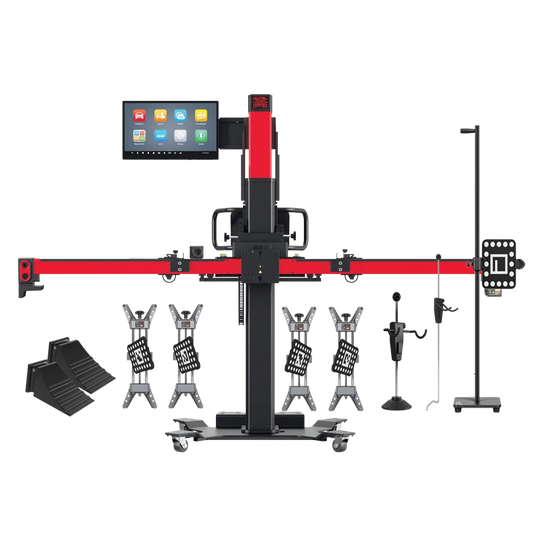
The Autel IA900 is a professional-grade ADAS calibration frame designed for shops offering full-service ADAS calibration. It is a floor-standing unit with adjustable target positions that covers virtually all vehicle makes and models.
- Coverage: Supports calibration procedures for 40+ vehicle manufacturers
- Targets: Includes a comprehensive target set for front camera, radar, 360-degree camera, and night vision systems
- Setup: Requires a level floor space of approximately 30 feet by 15 feet
- Compatibility: Works with Autel MaxiSys Ultra and Ultra S2 diagnostic tablets
- Vehicle positioning: Laser alignment system ensures precise frame-to-vehicle positioning
Autel MA600 — Portable ADAS Solution
The Autel MA600 is a portable ADAS calibration system for shops with limited space or mobile technicians. It uses a compact frame design that can be set up in smaller areas and transported between locations.
- Coverage: Supports the most common ADAS calibrations (forward camera, front radar)
- Portability: Breaks down for transport and storage
- Setup space: Requires less space than the IA900
- Compatibility: Works with Autel MaxiSys Ultra and Ultra S2
- Best for: Shops adding ADAS service without dedicating a permanent bay
Autel MaxiSys Ultra S2 — Required Diagnostic Tablet
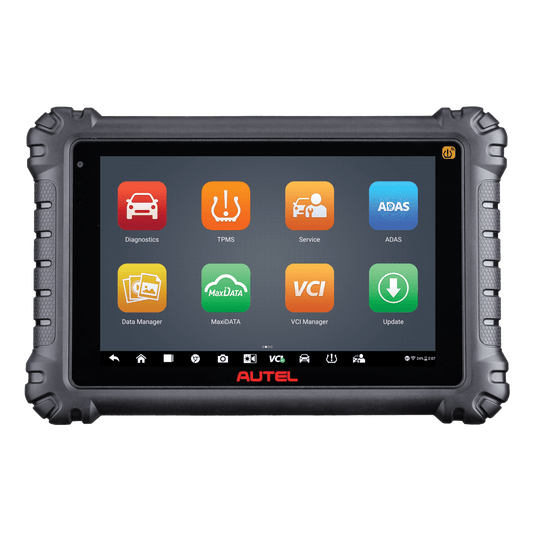
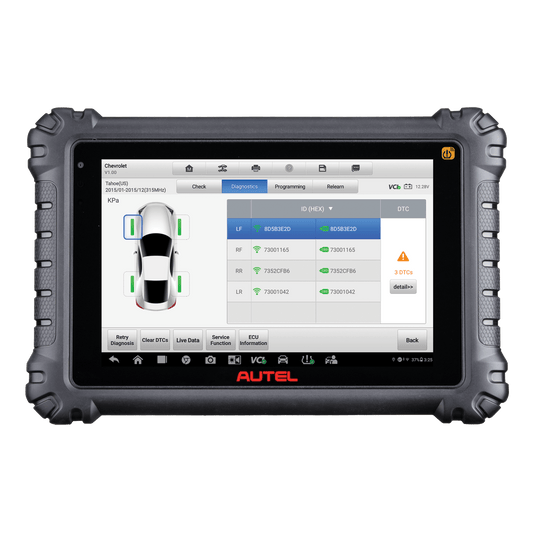
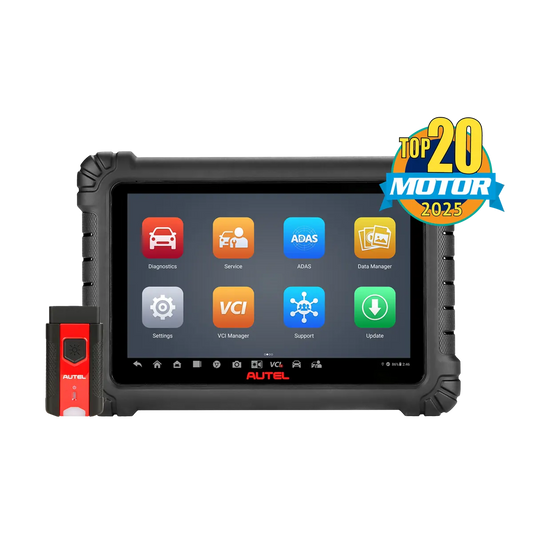
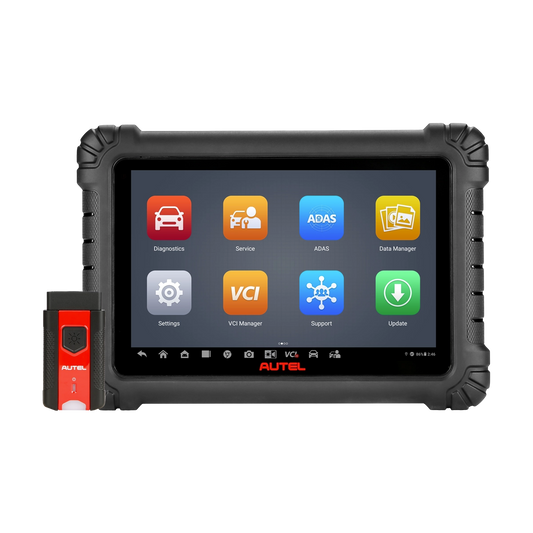
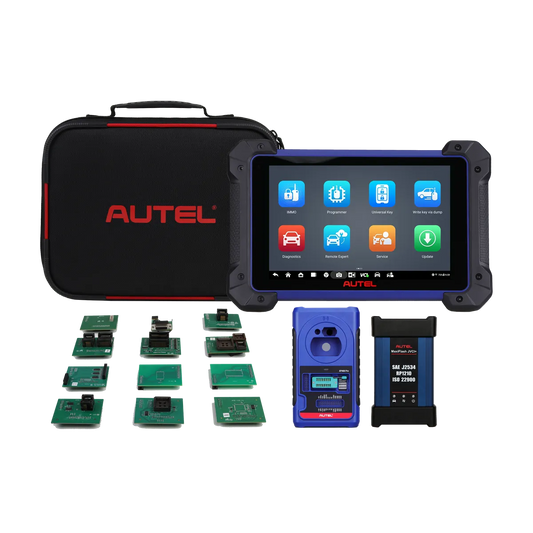
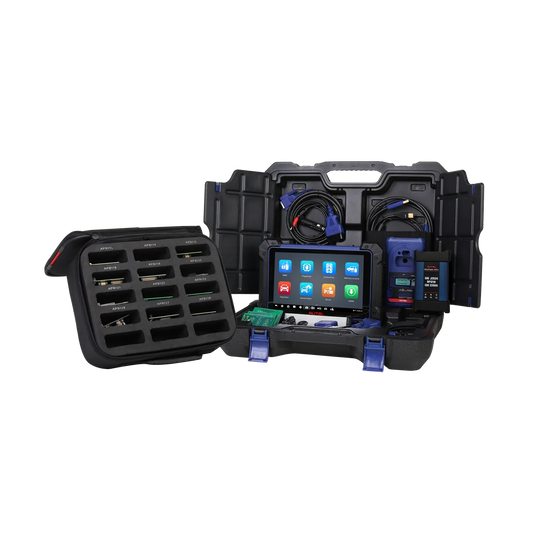
The calibration frame is only half of the equation. You also need a diagnostic tablet that can communicate with the vehicle's ADAS systems and run the manufacturer-specific calibration procedures. The Autel MaxiSys Ultra S2 is the recommended tablet for ADAS work, offering the widest calibration coverage and the most frequent updates for new vehicle support.
The Business Case: ADAS Calibration ROI
ADAS calibration is one of the most profitable service additions available to independent repair shops. Here is the math:
| Factor | Conservative Estimate | Moderate Estimate |
|---|---|---|
| Equipment Investment | $12,000 (IA900 + Ultra S2) | $12,000 |
| Average Calibration Revenue | $275 | $350 |
| Average Time per Calibration | 45 minutes | 45 minutes |
| Calibrations per Week | 3 | 5 |
| Monthly Revenue | $3,300 | $7,000 |
| Annual Revenue | $39,600 | $84,000 |
| ROI Breakeven | ~44 calibrations (~15 weeks) | ~34 calibrations (~7 weeks) |
Even at a conservative 3 calibrations per week, you recover your equipment investment in under 4 months and generate nearly $40,000 in annual revenue from a single service addition. At 5 calibrations per week (very achievable in a moderately busy market), annual revenue approaches $84,000.
Revenue Sources for ADAS Calibration
- Windshield replacement referrals: Partner with local glass shops. Most cannot perform calibration and need a shop to send customers to.
- Collision repair: Every significant repair on a modern vehicle includes ADAS calibration in the OEM repair procedures. Insurance companies are required to pay for it.
- Post-alignment calibration: Add ADAS verification to your alignment workflow. Charge accordingly.
- Sublet work from other shops: Shops without ADAS equipment will sublet calibrations to you at wholesale rates.
Getting Started with ADAS Calibration
You need a level floor area of at least 30 feet by 15 feet. This can be a dedicated bay or a shared space that is set up for ADAS work as needed. The floor must be level within OEM specifications. Some shops install the calibration frame in a separate area from their lift bays.
For most shops, the Autel IA900 + MaxiSys Ultra S2 combination provides the best balance of coverage, capability, and cost. The MA600 is a good option for shops with limited space or mobile operations.
ADAS calibration is not difficult, but it requires understanding the procedures and attention to detail. Autel provides training resources, and the diagnostic tablet walks you through each calibration step by step. Many shops have their technicians performing calibrations confidently within a week.
Contact local glass shops, collision centers, and insurance adjusters. Many are actively looking for ADAS calibration partners. A single partnership with a busy glass shop can generate 5-10 calibrations per week.
Develop a consistent workflow: verify the vehicle, check tire pressure, position the frame, run the calibration, verify results, document for the customer. Consistency ensures quality and builds your reputation as the ADAS calibration expert in your area.
The Future of ADAS Calibration
ADAS calibration demand will only grow. Consider these industry trends:
- AEB is now mandatory: As of 2026, automatic emergency braking is standard on all new US vehicles per NHTSA agreement. Every one of these vehicles will need calibration at some point.
- ADAS complexity is increasing: Newer vehicles have more sensors, more cameras, and more systems that require calibration. A single vehicle may require multiple calibrations after a comprehensive repair.
- Insurance mandates: Insurance companies are increasingly requiring ADAS calibration as part of covered repairs, ensuring that the service is reimbursable.
- Aging ADAS fleet: The millions of ADAS-equipped vehicles sold since 2015 are now entering the age where windshield replacement, collision repair, and alignment become more frequent.
- Autonomous driving prep: As Level 2+ autonomous features become more common, the precision of sensor calibration becomes even more critical.
Shops that invest in ADAS calibration now are positioning themselves for a service category that will be as routine as wheel alignment within 3-5 years.
Start Offering ADAS Calibration
Browse our Autel ADAS calibration systems. Free shipping on every order. Experienced independent Autel reseller since 2016.
Shop ADAS Equipment | Call 866-217-0063
Frequently Asked Questions
What is ADAS calibration?
ADAS calibration is the process of adjusting and aligning the sensors, cameras, and radar units that power Advanced Driver Assistance Systems in modern vehicles. These systems include lane departure warning, adaptive cruise control, automatic emergency braking, blind spot monitoring, and parking assist. After any event that may have shifted these sensors (collision repair, windshield replacement, wheel alignment, suspension work), calibration ensures they are accurately aimed and functioning correctly.
How much does ADAS calibration cost?
ADAS calibration typically costs $150-$500 per system at an independent shop, depending on the vehicle and calibration type. Dealerships charge $300-$1,000+. Shops investing in their own ADAS calibration equipment (such as the Autel IA900 + MaxiSys Ultra S2) can offer this service at competitive prices while maintaining strong profit margins. The average shop charges $250-$350 per calibration with costs of $30-$50 in time and materials.
When does a vehicle need ADAS calibration?
ADAS calibration is needed after: windshield replacement (forward-facing camera is mounted to the windshield), collision repair (even minor impacts can shift sensors), wheel alignment (changes in ride height or angle affect sensor aiming), suspension repair or modification, bumper replacement (radar and parking sensors are mounted in bumpers), and any time a sensor, camera, or radar unit is removed and reinstalled.
What is the difference between static and dynamic ADAS calibration?
Static calibration is performed in the shop using a calibration frame with targets positioned at specific distances and heights from the vehicle. The vehicle's computer uses these targets to verify and adjust sensor alignment. Dynamic calibration is performed by driving the vehicle on a straight, level road at a specified speed while the system self-adjusts using lane markings and road features. Many vehicles require static calibration first, followed by dynamic calibration.
What equipment do I need to start offering ADAS calibration?
A complete ADAS calibration setup requires: a compatible diagnostic tablet (Autel MaxiSys Ultra or Ultra S2), a calibration frame (Autel IA900 for full-service or MA600 for portable), a level floor space of at least 30 feet by 15 feet, and proper lighting. The Autel IA900 + Ultra S2 combination is the most cost-effective professional setup, starting at approximately $10,000-$12,000 for the complete package.
Is ADAS calibration profitable for independent shops?
Extremely profitable. The average ADAS calibration takes 30-60 minutes and commands $250-$400 per service. With equipment costs of $10,000-$15,000, most shops achieve ROI within 40-60 calibrations, which a busy shop can complete in 2-3 months. As ADAS-equipped vehicles become the majority of the car parc, calibration volume will only increase. Industry projections estimate that by 2028, over 90% of vehicles entering repair shops will have at least one ADAS system requiring calibration.
Can I do ADAS calibration without a frame?
Some vehicles support dynamic-only calibration, which does not require a frame. However, the majority of vehicles with forward-facing cameras (windshield-mounted) require static calibration with a frame and targets. To offer comprehensive ADAS calibration service, you need a calibration frame. The Autel MA600 is a portable option for shops with limited space.