If you own or manage an automotive repair shop, you have probably heard the term "ADAS calibration" with increasing frequency. Maybe a customer has asked about it. Maybe an insurance company has started requiring it on repair orders. Maybe you have noticed competitors advertising the service. Whatever brought it to your attention, one thing is clear: ADAS calibration is rapidly becoming essential for any shop that wants to remain competitive in the modern automotive repair market.
This article breaks down what ADAS is, why calibration matters, what the business opportunity looks like, and how to get started.
What is ADAS?
ADAS stands for Advanced Driver Assistance Systems. These are the electronic safety systems built into modern vehicles that assist the driver in avoiding collisions and navigating safely. Common ADAS features include:
- Automatic Emergency Braking (AEB) — detects obstacles and applies brakes if the driver fails to react
- Lane Departure Warning (LDW) and Lane Keep Assist (LKA) — monitors lane markings and alerts or steers the driver back into their lane
- Adaptive Cruise Control (ACC) — maintains a set following distance from the vehicle ahead
- Blind Spot Monitoring (BSM) — detects vehicles in the driver's blind spots
- Rear Cross-Traffic Alert — warns of approaching vehicles when backing out
- Parking Assist — helps guide the vehicle into parking spaces
- 360-Degree Camera Systems — provides a bird's-eye view around the vehicle
These systems rely on a network of sensors — cameras, radar modules, ultrasonic sensors, and in some cases LiDAR — mounted at precise locations around the vehicle. Each sensor must be aimed and calibrated to exact specifications for the system to function correctly.
Why Does ADAS Need Calibration?
ADAS sensors are calibrated at the factory during vehicle assembly. They are aimed and aligned to precise specifications so that the data they collect accurately represents the vehicle's surroundings. When something changes the position or orientation of a sensor — even by a fraction of a degree — the system can malfunction.
Common triggers that require ADAS recalibration include:
- Windshield replacement — Forward-facing cameras are typically mounted behind the windshield. Replacing the glass changes the optical path and requires camera recalibration.
- Front or rear bumper repair — Radar modules and ultrasonic sensors mounted in bumpers may shift during collision repair.
- Suspension work — Changes to ride height or suspension geometry can affect sensor aim.
- Wheel alignment — A wheel alignment changes the vehicle's thrust angle, which some ADAS systems reference for calibration.
- Structural repair — Any repair that affects the vehicle's frame or unibody structure can move sensor mounting points.
A camera that is off by just one degree can miscalculate the position of an obstacle by several feet at highway speeds. The consequences of an improperly calibrated ADAS system are not just inconvenient — they can be life-threatening.
Static vs. Dynamic Calibration
ADAS calibration falls into two categories, and most vehicles require one or both:
Static Calibration
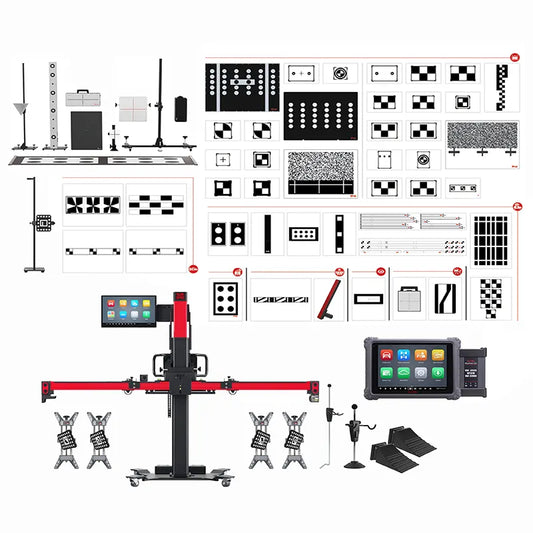
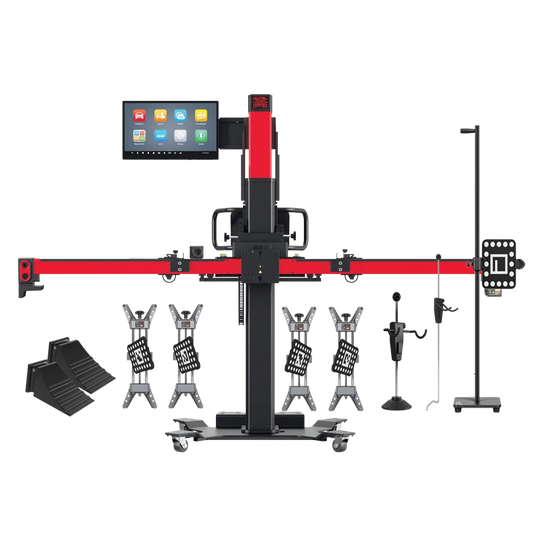
Static calibration is performed in a controlled indoor environment. The vehicle is positioned in front of specific target boards at precise distances and heights, and the ADAS system uses these known targets to realign its sensors. This requires a calibration frame, target boards, a flat and level floor, and adequate space.
Most forward-facing camera systems and many radar systems require static calibration. This is the type of calibration that shops invest in equipment for.
Dynamic Calibration
Dynamic calibration is performed while driving the vehicle on public roads at a specific speed range, usually on straight, well-marked roads. The ADAS system uses real-world inputs — lane markings, road edges, other vehicles — to recalibrate itself during the drive.
Some vehicles require only dynamic calibration, some require only static, and many require both. A professional-grade ADAS calibration tool will guide the technician through the correct procedure for each specific vehicle.
The Business Opportunity
Here is where it gets interesting for shop owners. The ADAS calibration market is growing at an extraordinary rate for several converging reasons:
Market Size and Growth
- Over 90% of new vehicles sold in the US now include at least one ADAS feature
- The ADAS-equipped vehicle fleet on US roads grows by millions every year
- Industry analysts project the ADAS calibration market to exceed $25 billion globally within the next decade
Revenue Per Job
- Typical calibration charges range from $300 to $500 per procedure
- Complex vehicles may require multiple calibrations (camera plus radar), increasing the ticket
- Insurance companies are increasingly covering calibration costs as part of collision repair supplements
Return on Investment
Consider this: at $350 per calibration and just three jobs per week, a shop generates over $54,000 in annual calibration revenue. Shops in busy markets performing daily calibrations can easily see $100,000-$150,000 per year from this single service. Most Autel ADAS systems pay for themselves within the first year of operation.
Referral Business
One of the most powerful aspects of offering ADAS calibration is the referral network it creates. Body shops, glass companies, and general repair shops that lack calibration capability need somewhere to send their work. Becoming the ADAS calibration provider in your area generates a steady stream of new customer relationships.
What Equipment Do You Need?
A complete ADAS calibration setup typically includes:
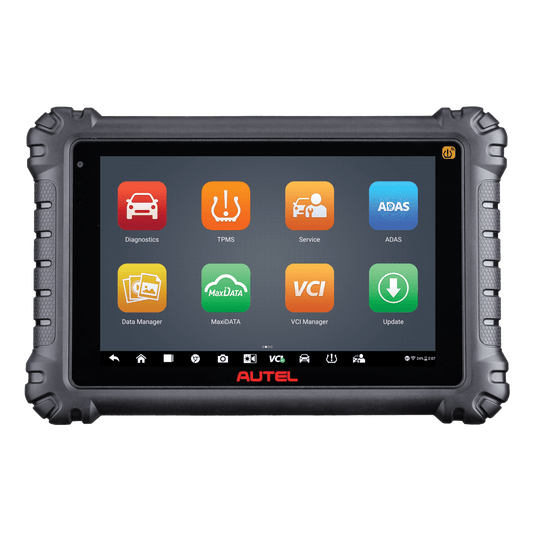
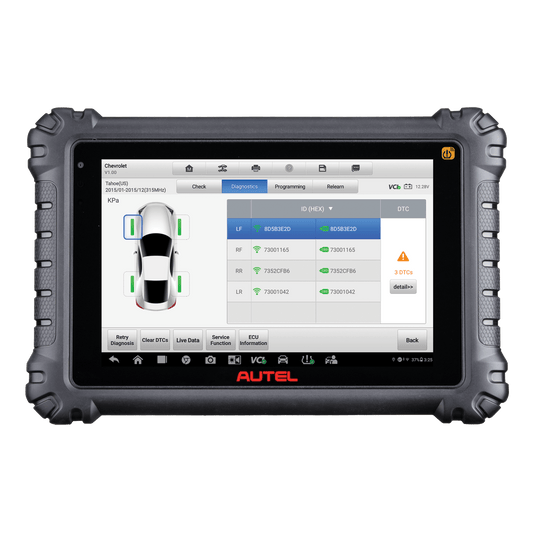
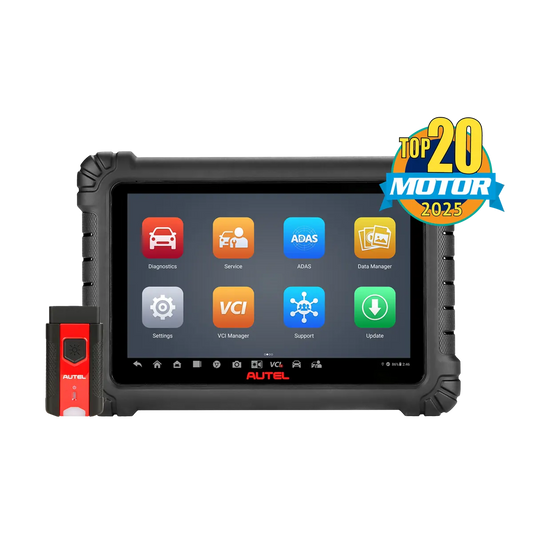
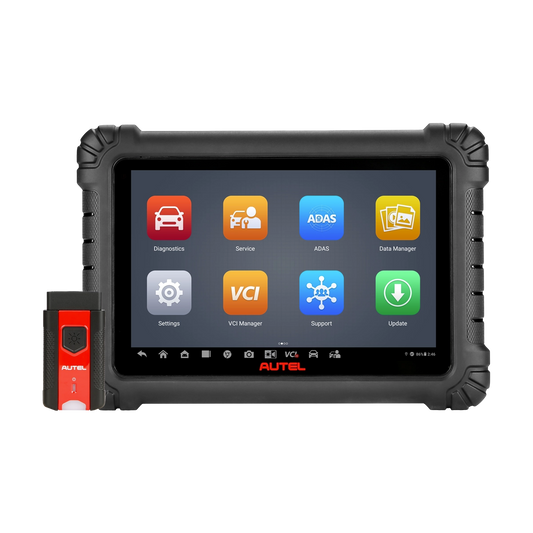
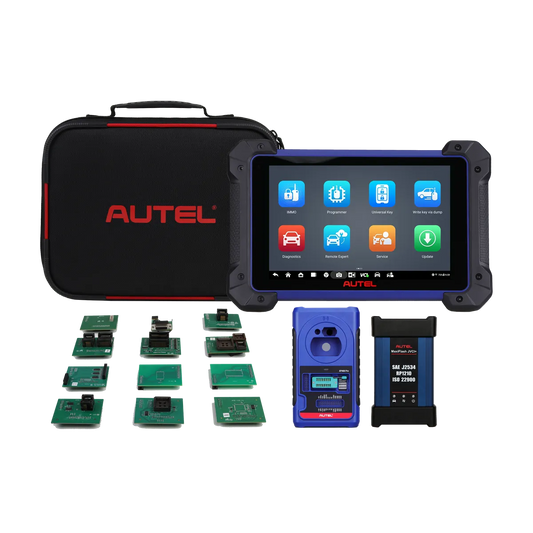
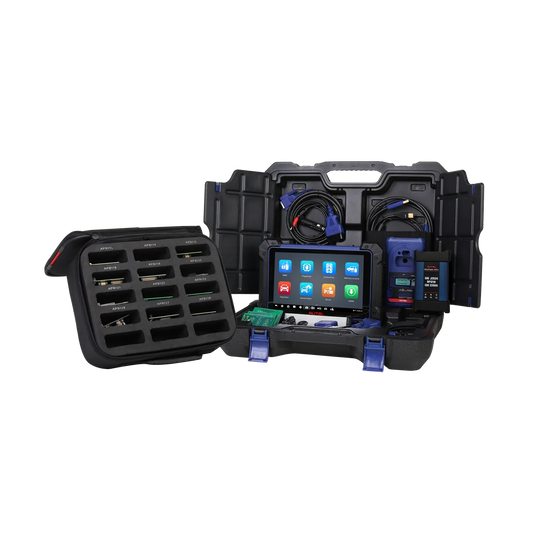
- Diagnostic tablet — Autel's MaxiSys platform (Ultra, MS919, MS909, or MS906 Pro) serves as the brain of the system, running the calibration software and communicating with the vehicle.
- Calibration frame — Autel's IA900 frame system provides the mounting structure for target boards, with laser-guided alignment for precise positioning.
- Target boards — Vehicle-specific targets that the ADAS cameras and sensors use for the calibration procedure.
- Adequate space — A flat, level area at least 30 feet long and 15 feet wide with consistent, non-reflective lighting.
Autel offers complete turnkey ADAS packages that include everything listed above, as well as individual components for shops that want to build their system incrementally.
Getting Started: Practical Steps
- Assess your space — Measure your available area and ensure it meets the minimum requirements for static calibration.
- Talk to us — Call our team at 866-217-0063. We can help you evaluate which ADAS package makes sense for your shop size, budget, and market.
- Start with the vehicles you see most — You do not need to calibrate every make and model on day one. Focus on the vehicles that come through your shop most frequently and expand from there.
- Market the service — Let your referral partners know you offer ADAS calibration. Contact local body shops, glass companies, and dealerships.
- Document and charge appropriately — ADAS calibration is a specialized, safety-critical service. Price it accordingly and provide documentation with every job.
The Bottom Line
ADAS calibration is not a niche service anymore. It is a mainstream necessity driven by the technology built into the vehicles on the road today. Shops that invest in this capability now are positioning themselves for sustained growth, new revenue streams, and a competitive advantage that will only become more valuable as the ADAS-equipped vehicle fleet continues to expand.
Ready to explore ADAS calibration for your shop? Call 866-217-0063 to speak with an ADAS specialist, or visit our ADAS Solutions page to learn more about Autel's calibration systems.